

When I use a word,“ Humpty Dumpty said in rather a scornful tone, “it means just what I choose it to mean — neither more nor less.“
— Lewis Carroll, “Through the Looking Glass“
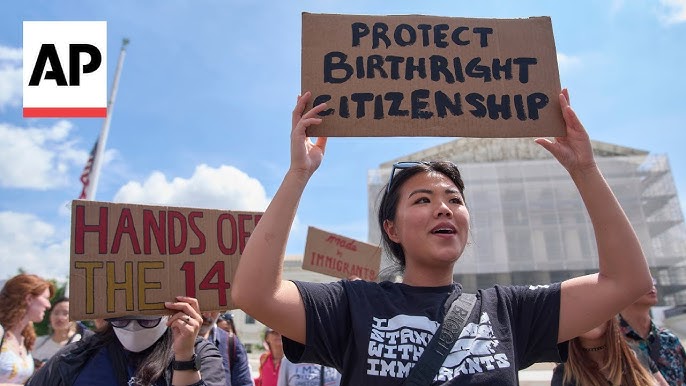
When Donald Trump signed Executive Order 14160 on Jan. 20, declaring an end to birthright citizenship under the 14th Amendment for the children of undocumented aliens, constitutional scholars laughed at him. They had also laughed in 2018, when he first threatened, but ultimately declined, to issue the decree. The idea that a president could gut a constitutional right by personal fiat seemed too crazy, too culled straight from the lunatic fringe, if not the imagination of Lewis Carroll, to actually happen.
No one is laughing anymore. On Dec. 5, the Supreme Court granted the administration’s request to review the order’s constitutionality, marking the second time this year the panel has agreed to examine the birthright edict. Back in June, courtesy of a 6-3 majority opinion written by Amy Coney Barrett, the court lifted three nationwide “universal” preliminary injunctions issued by three different federal district court judges that had blocked the order from taking effect anywhere in the country.
Barrett’s opinion was messy and complicated, but procedural in nature. It did not address the underlying legality of the birthright order, but instead offered a hodgepodge of textualist and originalist analysis to make it more difficult for district courts to issue nationwide injunctions. In response, immigrant-rights advocates across the country restyled their legal challenges and secured new injunctions against the birthright order, forcing Trump’s Justice Department to appeal once again to its friends on the nation’s highest tribunal.
Want to read more? Please click… HERE!!!