

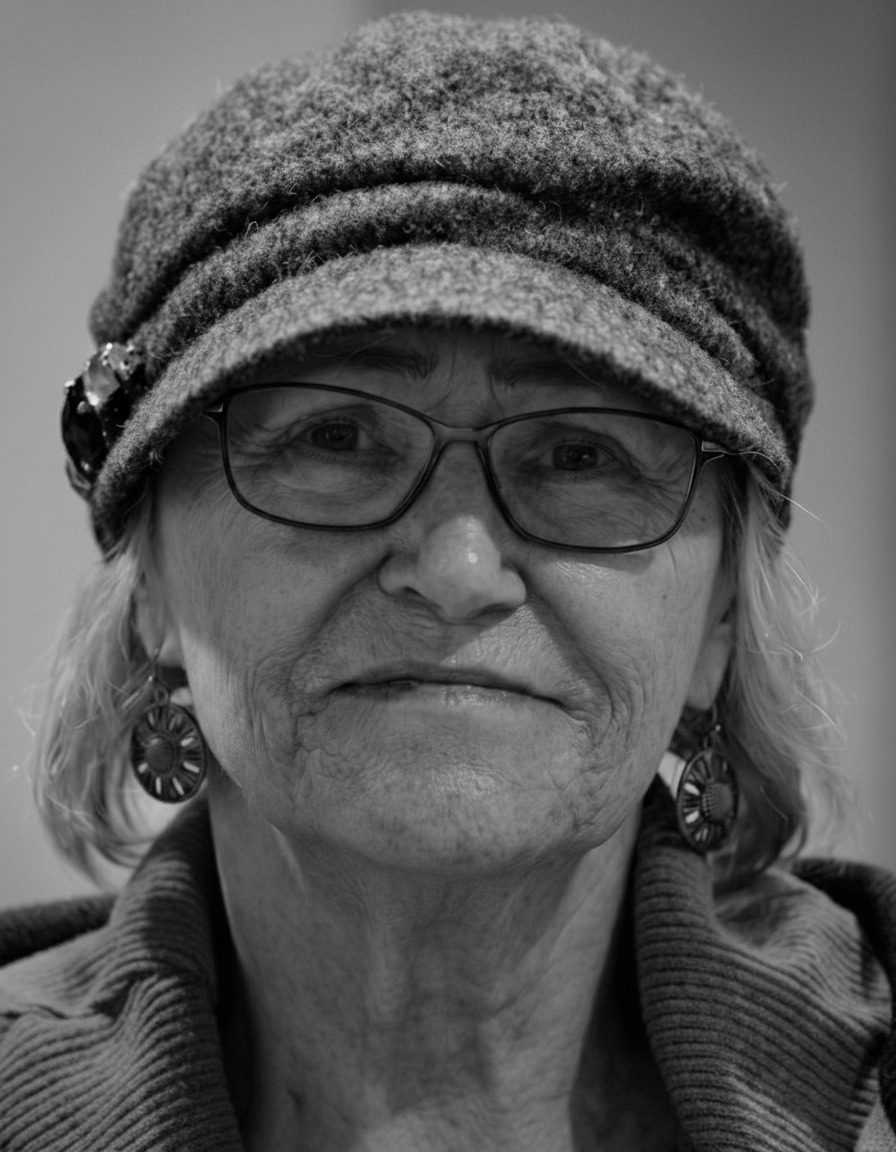
Sourced from Facebook: 70’s Old Memories
No author listed.
She boarded a plane at seventy-one years old with a carry-on bag and a conviction that the country she loved was slipping away. Pamela Hemphill was a grandmother from Boise, Idaho. A retired addiction counselor. A woman who had survived cancer and believed she understood manipulation when she saw it. On January 6, 2021, she flew to Washington, D.C., convinced she was defending democracy. Before she left, she posted online: “It’s a WAR!”
The words were not casual. They were charged with anger and certainty. She believed the 2020 election had been stolen. She believed the republic was under attack. She believed she was answering a call.
The night before the rally, she attended an event hosted by Alex Jones. The atmosphere was electric. Speakers warned of betrayal. Crowds cheered at promises to “stop the steal.” The language was urgent and apocalyptic. For many in that room, including Hemphill, it felt like history bending in real time.
The next day, she joined the sea of people moving toward the Capitol. She pushed through police lines three separate times. She urged others forward. She made her way inside the building and into the Rotunda. The marble floors and domed ceiling, once symbols of stability, became the backdrop to chaos. Officers were overwhelmed. Windows shattered. Lawmakers were rushed into hiding. More than 140 police officers were injured during the attack. At the time, she did not see herself as part of a mob. Later, she would.
Federal investigators identified her. She was charged. In court, she did not fight the evidence. She pleaded guilty. She was sentenced to sixty days in federal prison, three years of probation, and ordered to pay $500 in restitution.
Prison gave her time to sit with her choices. The slogans and chants faded. The reality remained. She had entered the Capitol illegally. She had encouraged others to do the same. When she was released, something unsettled her. She began joining online groups filled with other January 6 participants. Instead of reflection, she saw denial. Instead of remorse, she saw new layers of conspiracy. False claims were repeated as fact. Anyone who questioned them was attacked. “I didn’t realize that brainwashing was happening,” she later said.
As a former addiction counselor, she recognized patterns she had once helped others confront. Group reinforcement. Isolation from dissenting voices. Emotional manipulation. She started therapy. She stepped back from the echo chambers. Slowly, the certainty she once felt gave way to clarity. She began describing January 6 as a scar she would carry for the rest of her life.
Then came January 20, 2025. President Trump issued pardons to more than 1,500 January 6 defendants. The sweep included individuals convicted of assaulting police officers and obstructing official proceedings. For many, the pardons were framed as vindication. Some called the pardon attorney’s office demanding commemorative copies of their certificates.
Pamela Hemphill made a different call. She contacted her senator, James Risch of Idaho, to formally reject the pardon.
“The pardons just contribute to their narrative,” she told CBS News. “We were guilty, period.” To her, accepting clemency would mean rewriting history. It would suggest that what happened that day was justified, or at least excusable. “How could you sleep at night taking a pardon when you know you were guilty?” she asked. “If I took a pardon, then what I did that day was OK. It wasn’t.”
She called acceptance of the pardon a slap in the face to the Capitol Police, to the rule of law, and to the country itself.
In April, the Office of the Pardon Attorney confirmed that her non-acceptance had been noted. No certificate would be issued in her name. The backlash was swift and personal. She received death threats. Supporters of Trump contacted her probation officer in attempts to cause trouble for her. She lost friendships that had defined decades of her life. Some family relationships fractured. She moved from her home for safety.
The cost of dissent was isolation.
Yet she continued to speak.
On January 6, 2026, five years after the attack, Pamela Hemphill returned to the U.S. Capitol. This time she entered through the front doors, cleared security, and took a seat before a congressional panel, “My name is Pam Hemphill,” she began. “I am a mother and a grandmother and a cancer survivor and a retired addiction counselor. I am also a convicted criminal for what I did on January 6, 2021.”
She faced officers who had defended the building that day, “I am truly sorry from the bottom of my heart for being part of the mob that put you and so many officers in danger.”
Then she addressed the pardon directly, “When Donald Trump pardoned us, I rejected that pardon. Accepting that pardon would be lying about what happened on January 6th. I am guilty, and I will own that guilt.”
In June 2025, former Vice President Mike Pence wrote to her, expressing admiration for her decision. The letter did not erase the past. It acknowledged the difficulty of standing apart from a movement that once defined her.
One woman. Seventy-one years old. Alone among more than 1,500 who accepted absolution without admitting fault.
She once believed she was fighting for her country. Now she believes she failed it.
“I’m not going to be bullied by MAGA anymore,” she wrote.
Some people show courage in a single charged moment. Pamela Hemphill’s courage came later, in the quiet aftermath. It required admitting she had been wrong. It required giving up the comfort of belonging. It required accepting consequences rather than erasing them.
She chose to keep her conviction.
Not the political one she once carried to Washington, but the legal one she earned.
And she chose to live with it.